Best Budget App: No Subscription, One-Time Payment
Simple, powerful tools to manage money with ease.
One-time payment for a lifetime license - NO SUBSCRIPTION.

Key Features
Simple, powerful tools to master your money without monthly fees.
Quick Transaction Entry
Add a new transaction with just one tap. Simply enter the amount, and you're done.
Clear Expense Insights
Input your daily spending, and WhizBudget will create a helpful chart to show exactly where your money is going
Easy Budget Planning
Plan your income and expenses with ease. Use your average monthly spending calculated automatically based on your previous months.
Monitor Debts and Savings
Stay on top of your account balances and move closer to your financial goals
Multi-Currency Support
Keep your finances accurate with automatically updated exchange rates
Seamless Synchronization
Access your financial data on all your devices
Perfect for Couples & Joint Accounts
Share budgets and manage finances together - WhizBudget makes it simple for couples or families to collaborate and track goals as a team.
Sinking Funds Made Simple
Effortlessly organize and grow your sinking funds for future expenses. Allocate money for holidays, repairs, or big purchases and track your progress automatically.
Set and Track Financial Goals
Define personalized savings or debt repayment goals. Watch your achievements stack up as WhizBudget helps you stay on target and motivated.
Pricing NO SUBSCRIPTION
WhizBudget offers NO SUBSCRIPTION budgeting with a simple, one-time lifetime payment. Enjoy full access to all premium features - try WhizBudget completely free for a limited time or make a one-time payment for a lifetime subscription. No monthly fees, no recurring charges, and no subscriptions - forever. Take control of your finances with WhizBudget today!
What's included in the price? Everything.
Premium Access
Some features require an active WhizBudget account. Access availability is determined by your account status.
You can manage your account outside the app.
Frequently Asked Questions
Got questions about using WhizBudget? Here are some quick answers.
Expert Tips and Advice

Budgeting for Different Life Stages: Tailoring Your Finances Without Losing Your Mind
Budgeting looks very different when you're living on instant noodles in college versus juggling daycare, a mortgage, and a dog that eats $60 worth of chew toys a month. Life changes and your budget should change with it.
Let’s walk through how to tailor your budget for each stage of life, like we’re chatting over coffee (or reheated tea if you’re in full-on parent mode).
🎓 Budgeting in Your College Years: Survive First, Save Later
Ah, college. Where you’re broke, but creatively so. Budgeting here is about avoiding ramen burnout and managing what little you have.
Quick wins:
- Track everything. Every burrito, every beer. Use a budgeting app (like YNAB or Mint) so you know where it all goes.
- Prioritise essentials. Rent, books, and maybe that one streaming service you actually use.
- Start small with savings. Even $10 a week adds up. Think of it as your “Oh crap, I forgot this bill” fund.
- Say yes to student discounts. Your student ID is basically a coupon book.
Budgeting for different life stages starts here, with learning what NOT to do (like putting a pizza on a credit card).
🏃♀️ Budgeting in Your 20s and 30s: The “Am I Doing This Right?” Era
You're adulting now. Ish. These years are full of transitions - first jobs, moving out, possibly moving back in, and figuring out how taxes work.
Your financial strategy now should include:
- Building an emergency fund (3–6 months of expenses is the gold standard, but hey, even one month is a great start).
- Tackling student loans. Don’t ignore them. Check if income-based repayment is a better fit.
- Setting financial goals. Want to travel? Buy a car? Save for a wedding? Budget with those in mind.
- Automate your savings. Out of sight, out of spend-temptation.
Example: My friend Julia set up an auto-transfer of $50/week into a “Future Me” fund. Three years later, she used it as a down payment on a car. Past Julia was a genius.
🍼 Budgeting in Your 30s and 40s: The “Juggling Everything” Phase
This stage is where budgeting gets complicated. You might be raising kids, paying off a mortgage, managing childcare, saving for retirement... and trying to remember what sleep felt like.
Make your budget work harder with:
- Line-iteming your priorities. Childcare, groceries, health insurance—no fluff here.
- Planning for irregular expenses. Think holidays, school supplies, and replacing that dishwasher that’s on its last wheeze.
- Investing regularly. Even if it’s small, compound interest is your friend.
- Reviewing your budget monthly. Kids grow. So do expenses. Adapt accordingly.
Pro tip: Use a “sinking fund” system. Have mini-accounts for future big costs (like Christmas or home repairs) so they don’t wreck your month. WhizBudget can help with getting those sorted.
🧓 Budgeting in Your 50s and Beyond: The “Let’s Future-Proof This” Chapter
Retirement’s no longer a vague concept—it’s a real, looming calendar item. Your budget now should prioritise stability and peace of mind.
Smart moves:
- Max out retirement accounts. If you’re behind, catch-up contributions exist for a reason.
- Pay off remaining debts. Mortgage, car loans, credit cards—clear them if possible.
- Adjust lifestyle spending. Maybe cut back on some wants to stretch those dollars longer.
- Review insurance and health costs. These can spike as you age—plan now to avoid surprises.
Anecdote: My uncle switched from expensive restaurant meals to a home cooking club with friends. Healthier, cheaper, and honestly more fun.
☕ Final Sip: Your Budget Should Age As Gracefully As You Do
Budgeting for different life stages isn’t about following the same rules forever, it’s about staying nimble, intentional, and kind to yourself. You’ll spend differently in your 20s than in your 60s, and that’s exactly how it should be.
The secret? Keep it simple, stay consistent, and check in with your budget regularly, like a good friend who tells you when your spending’s getting a little wild.
👇 TL;DR: Life Stage Budgeting Tips
- College: Track every dollar. Learn the ropes.
- 20s/30s: Build goals, save automatically, slay debt.
- 30s/40s: Prioritise essentials, plan for unpredictability.
- 50s+: Future-proof your finances, review everything.

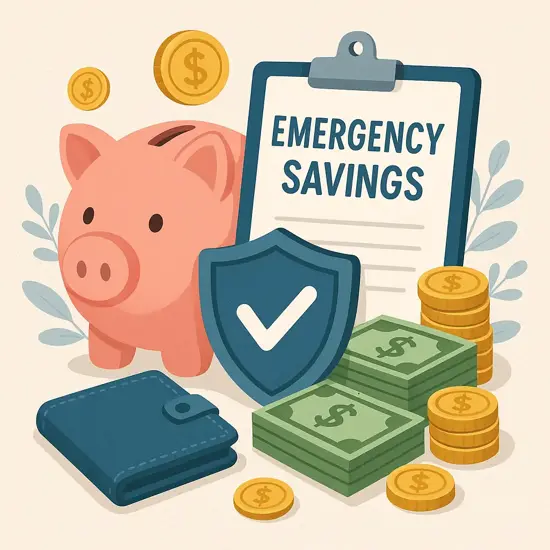
How to Build an Emergency Fund: Step-by-Step Guide
How to Build an Emergency Fund: Step-by-Step Guide
What is an Emergency Fund?
An emergency fund is a savings account specifically set aside to cover unexpected expenses or financial emergencies. These can include medical bills, car repairs, or sudden job loss. Having an emergency fund provides financial security and peace of mind.
Why You Need an Emergency Fund
Building an emergency fund is crucial for several reasons:
- Financial Security: It acts as a safety net, protecting you from sudden financial shocks.
- Peace of Mind: Knowing you have funds set aside reduces stress during uncertain times.
- Avoiding Debt: An emergency fund helps you avoid relying on credit cards or loans, which can lead to debt accumulation.
Steps to Build Your Emergency Fund
- Set a Savings Goal: Determine how much you need in your fund, typically 3 to 6 months’ worth of expenses.
- Open a Separate Savings Account: Keep your emergency fund separate from your regular accounts to avoid the temptation of spending it.
- Automate Your Savings: Set up automatic transfers to your emergency fund every month.
- Cut Unnecessary Expenses: Review your budget and identify areas where you can cut back to increase your savings.
- Increase Your Income: Consider side jobs or freelance work to boost your savings more quickly.
How Much Should You Save?
Most financial experts recommend saving three to six months’ worth of living expenses. For example, if your monthly expenses are €1,500, aim for an emergency fund of €4,500 to €9,000. Adjust based on your personal circumstances, job stability, and financial obligations.
Where to Keep Your Emergency Fund
Choose a savings account that offers easy access and minimal fees. Online banks often provide higher interest rates than traditional banks. Some good options include:
- High-yield savings accounts
- Money market accounts
- Short-term certificates of deposit (CDs)
Common Mistakes to Avoid
- Not Saving Enough: Underestimating your emergency fund needs can leave you vulnerable.
- Using the Fund for Non-Emergencies: Only use your emergency fund for true emergencies to maintain its purpose.
- Neglecting to Replenish: If you use the fund, make sure to replenish it as soon as possible.
FAQs
1. How quickly should I build my emergency fund?
Start saving as soon as possible. Aim to reach your goal within one to three years, depending on your financial situation.
2. Can my emergency fund earn interest?
Yes, consider placing your emergency fund in a high-yield savings account to earn interest over time.
3. Is it okay to invest my emergency fund?
It's best to keep your emergency fund in a liquid account for quick access, rather than investing it in volatile assets.
4. How do I know when to use my emergency fund?
Use your emergency fund for unexpected expenses that cannot be covered by your regular budget.
5. Can I use my emergency fund for planned expenses?
No, the purpose of an emergency fund is to cover unplanned expenses only.
6. How can WhizBudget help with my emergency fund?
WhizBudget is a helpful budgeting tool that allows you to track your savings goals and manage your finances effectively.
7. What if I exhaust my emergency fund?
If you use your emergency fund, prioritize rebuilding it as soon as possible to maintain financial security.
Conclusion
Building an emergency fund is a vital step in achieving financial stability. By following the steps outlined above and using tools like WhizBudget to track your progress, you can ensure that you are prepared for any unexpected expenses that may come your way. Start today, and take control of your financial future!
From Paycheck to Paycheck to Financial Freedom: Changing Your Mindset
I know what it feels like to live paycheck to paycheck. There was a time when I’d get paid, cover my bills, buy a few things I thought I “needed,” and before I knew it, my bank balance was back to zero, waiting for the next payday. It felt like an endless cycle, and no matter how much I earned, I never seemed to get ahead.
The turning point for me? Realizing that financial freedom starts with mindset, not just money.
Step 1: Seeing Money Differently
For the longest time, I saw money as something that came and went. I worked for it, spent it, and waited for more. But once I started looking at money as a tool rather than something to chase, everything changed. Instead of spending first and saving what was left, I flipped the script: I paid myself first.
I started setting aside even a small percentage of my paycheck before touching a dime. At first, it was just $20 a week. But over time, that small habit built up and gave me confidence.
Step 2: Creating a Plan (Not Just a Budget)
I used to think budgeting was restrictive, just a way to remind me of what I couldn’t do. But when I actually took the time to track my expenses and create a budget that worked for me, I realized I was giving myself more control, not less.
Instead of wondering where my money went, I started telling it where to go.
A few key changes that helped me:
- Cutting back on things I didn’t truly value (goodbye, random impulse buys).
- Automating my savings so I didn’t have to think about it.
- Setting mini-goals, like saving for a weekend trip or a new gadget.
Step 3: Shifting to a Growth Mentality
One of the hardest parts of breaking the paycheck-to-paycheck cycle was overcoming the belief that I would always struggle financially. But I had to remind myself: my financial situation wasn’t permanent.
I started focusing on ways to increase my income, whether it was taking on freelance work, learning new skills, or just negotiating a better salary. More importantly, I stopped comparing my progress to others and focused on what I could control.
Step 4: Building Long-Term Freedom
The biggest difference between where I was and where I am now? Consistency.
I didn’t get out of the paycheck-to-paycheck cycle overnight, and neither will you. But the small shifts in mindset and habits compound over time.
- Track your spending - WhizBudget can help;
- Save before you spend;
- Invest in your future;
- Believe that financial freedom is possible!
I’m not saying it’s always easy, but I can tell you firsthand, it’s absolutely worth it. Start today, even if it’s just a small step. Your future self will thank you.
What Is a Budget App and Why You Need One (Without Monthly Fees)
In today's fast-paced financial world, keeping track of where your money goes isn't just helpful - it's essential. Rising living costs, unexpected expenses, and increasingly digital lifestyles can make personal finance feel overwhelming.
That's where a budget app comes in.
A budgeting app helps you understand your spending habits, manage expenses, and make smarter money decisions - all from your phone or computer. As a solo developer, I built WhizBudget to offer a simple, powerful personal finance app without unnecessary complexity.
Let's break down what budget apps are, why they matter, and why choosing the right one can make all the difference.
What Exactly Is a Budget App?
A budget app is a digital money management tool that helps you plan, track, and organize your finances. Think of it as a personal finance assistant that gives you clarity and control over your income and spending.
Most budget and expense tracking apps include features such as:
- Expense tracking (manually or automatically)
- Categorizing your income and spending
- Goal setting for savings or debt payoff
- Visual reports to help you see patterns over time
- Reminders or alerts to keep your finances on track
The best part? You don't need to be a finance expert to use one. Budget apps simplify the process, replacing clunky spreadsheets or notebooks with user-friendly interfaces and automation.
WhizBudget is designed for real people - singles, couples, and families - offering essential budgeting tools in a clean, simple interface, while keeping advanced features available for users who want deeper insights.
Why Is Having a Budget App Important?
Managing your money shouldn't feel like guesswork. While using a budgeting app won't magically make you rich, it can significantly improve your financial awareness and decision-making. Here's how using a budget app can create a real impact on your financial well-being:
- Clear Financial Visibility - Budget apps give you a real-time view of where your money is going. No more surprises at the end of the month.
- Smarter Decision-Making - When you can see your spending trends, you're more likely to make informed - and often better - financial choices.
- Saves Time and Reduces Errors - Whether it's paying down debt, building an emergency fund, or saving for a vacation, budgeting apps help you set, track, and reach those goals.
- Financial Peace of Mind - With better visibility and control, you'll reduce stress and feel more confident managing your money day to day.
- No Surprise Fees
Here's something that sets WhizBudget apart:
While most apps require ongoing monthly or yearly subscriptions, WhizBudget is a one-time purchase. That means you get full access to all features - forever - without worrying about recurring payments eating into your savings.
It's budgeting on your terms - simple, honest, and cost-effective.
Take Control Without the Commitment
A budget app isn't just another download - it's a tool to help you build a healthier, more intentional financial future. And with so many options available, choosing the right one matters.
WhizBudget was built for people who want clarity, control, and convenience - without the hassle of subscriptions. You can pay once, and it's yours. No locked features. No hidden charges. No subscription.
Start budgeting with confidence.
Try WhizBudget today - and take control of your money, your way.
Pricing and access options are explained on our website. Availability may vary by platform.